
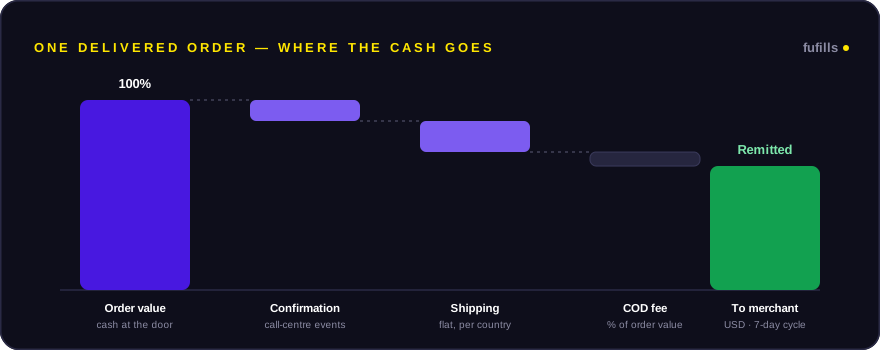
DHL pago contra entrega in Mexico is a contracted add-on to an express network built for speed, not for cash: doorstep collection is available only to corporate accounts that negotiate it, the amount a courier may collect is typically capped at a value that varies by contract, and the collection commission is priced on top of an express rate that already sits above the ground carriers. Merchants selling everyday consumer goods at typical Mexican COD ticket sizes usually get better economics from a multi-carrier COD platform that routes each order to the cheapest reliable network. Fufills orchestrates several Mexican parcel networks, with Mexico as one of its 10 operational LATAM markets, gates every order behind confirmation before dispatch and settles collected cash in USD on a 7-day cycle with a written SLA.
This page isolates one carrier; the full comparison of paqueterías with pago contra entrega in Mexico lines DHL up against Estafeta, FedEx, Paquetexpress, J&T Express and 99minutos.
For contracted accounts, yes, and the distinction matters. DHL runs two very different things in Mexico: an international express business, where cash on delivery is a niche service used mostly for duties and low-value cross-border parcels, and a domestic operation that competes with the national ground carriers on the busiest metro lanes. Doorstep collection on domestic shipments is enabled account by account under a negotiated agreement, exactly like the Estafeta pago contra entrega arrangement described in the companion analysis. A merchant with a standard shipping account cannot simply flag a parcel as cobro contra entrega and expect the courier to bring back pesos.
Three limits show up in practice, and each one is set by contract rather than by a public rate card. The first is the value cap: express couriers carry little cash by design, so the maximum collectable amount per parcel is usually lower than what ground carriers accept, and high-ticket COD orders may be excluded outright. The second is coverage: the collection service follows the express footprint, which is dense in Mexico City, Guadalajara, Monterrey and the industrial corridor but thins out fast in rural municipalities where COD demand is strongest. The third is price: an express base rate plus a collection commission plus a paid return leg adds up to a cost per delivered order that only premium products absorb comfortably. The COD shipping quote glossary entry lists the line items to demand in writing before signing.
| Aspect | DHL direct contract | Fufills platform |
|---|---|---|
| Access to COD | Negotiated corporate agreement | Included from the first shipment |
| Maximum collectable value | Varies by contract | Set per merchant, high-ticket lanes supported |
| Network positioning | Express first, metro heavy | Routed across several Mexican networks by lane |
| Collection fee | Varies by contract | Published rate card |
| Order confirmation | Merchant runs its own | Included before dispatch |
| Settlement | Pesos, calendar varies by contract | USD on a fixed cycle with a written SLA |
Every cell that reads varies by contract is intentional. DHL reprices collection by customer segment and by year, so any specific commission or cap quoted on a third-party blog is a snapshot of somebody else's agreement.
When speed is the product. Premium electronics, urgent replacement parts and time-sensitive gifts sold to buyers in the largest metros can justify an express rate, and in those lanes DHL delivers quickly and reports cleanly. For the bulk of Mexican COD ecommerce, where average order values are modest and a large share of buyers live outside the top five cities, the express premium erodes the margin faster than the delivery speed lifts conversion. The guide to pago contra entrega in Mexico walks through the order economics that decide this trade-off.
A direct carrier contract returns collected pesos on a calendar written into the agreement, often netted against freight invoices, which means cash from a Monday delivery can sit in the carrier's books for weeks before it is usable. A COD platform separates the money flow from the freight flow and commits to a cycle.
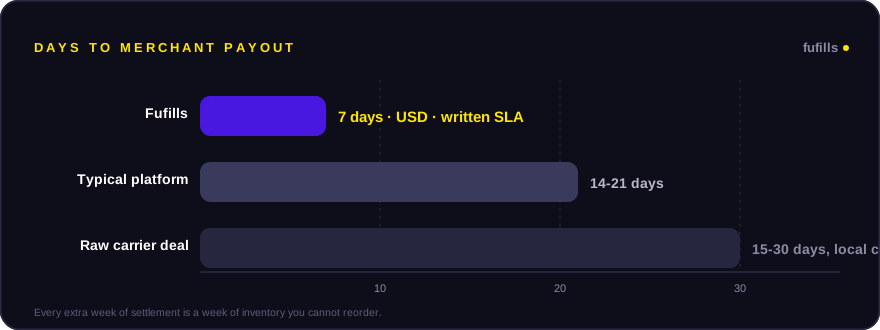
The settlement cycle glossary entry explains why a fixed, short cycle matters more for COD businesses than for prepaid ones: every peso collected at the door is inventory that has already left the warehouse, so a slow payout is a working-capital tax on growth.
A multi-carrier COD platform that treats DHL as one option among several. Instead of forcing every order through an express network, the platform routes each shipment to the Mexican network most likely to deliver it on that route at the right cost, using express only where the lane and the ticket justify it. The risky work is centralised: on the Fufills network 92 percent of orders are confirmed before dispatch, 89 percent of dispatched orders are delivered with cash collected, and return-to-origin stays under 20 percent because unconfirmed orders never leave the warehouse. The RTO glossary entry shows where refusals eat margin. Current lanes, coverage and terms for the Mexican operation are on the Mexico COD fulfillment page, and the same carrier-versus-platform decision repeats across the region, which is how the LATAM cash on delivery guide frames it for merchants planning beyond a single market.
